
Lower Siding Replacement After Water Damage with Smooth Engineered Siding
Introduction
Exterior siding serves as one of the home's primary defenses against moisture, weather, and pests. When lower courses of siding become damaged from prolonged water exposure, replacing the affected sections promptly helps prevent additional deterioration behind the wall assembly.
For this project, only the bottom row of siding required replacement. The goal was to perform a clean repair that blended with the existing siding while preparing the home for a complete repaint.
Customer Problem
The existing lower row of siding had experienced water damage that affected its condition and appearance. Leaving the damaged material in place could have allowed additional moisture intrusion and created an uneven surface for the upcoming exterior painting project.
The homeowner wanted a repair that restored the damaged areas without replacing unnecessary portions of the home's siding.
Scope of Work
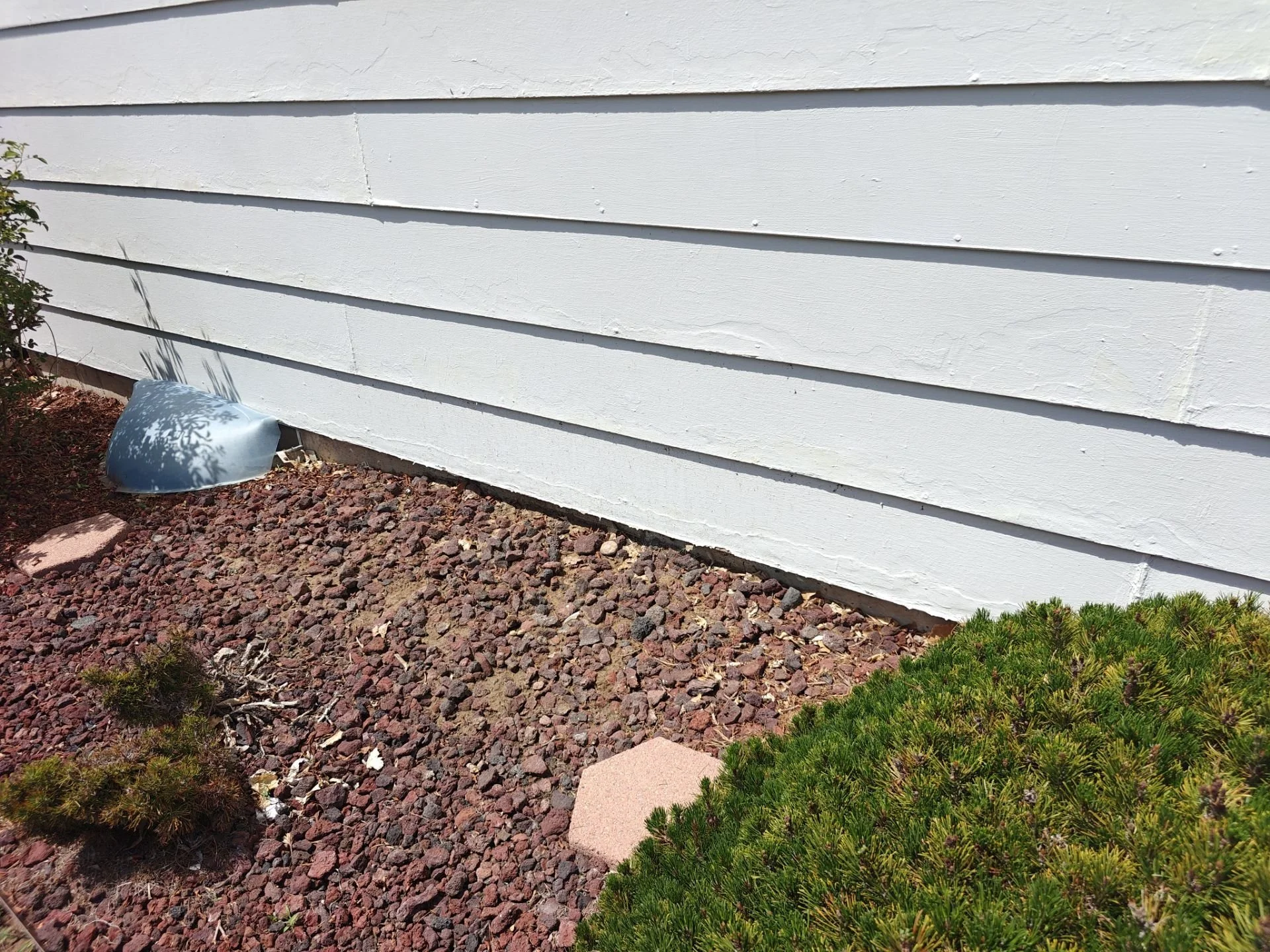
The damaged lower row of siding was carefully removed while preserving the surrounding materials. New smooth engineered siding was installed to closely match the existing horizontal wood siding profile. The installation was completed across the affected wall sections, including areas around exterior penetrations such as the gas meter.
Once installed, the replacement siding provided a clean, consistent surface that was ready for the homeowner's painting contractor to complete the full exterior painting project.
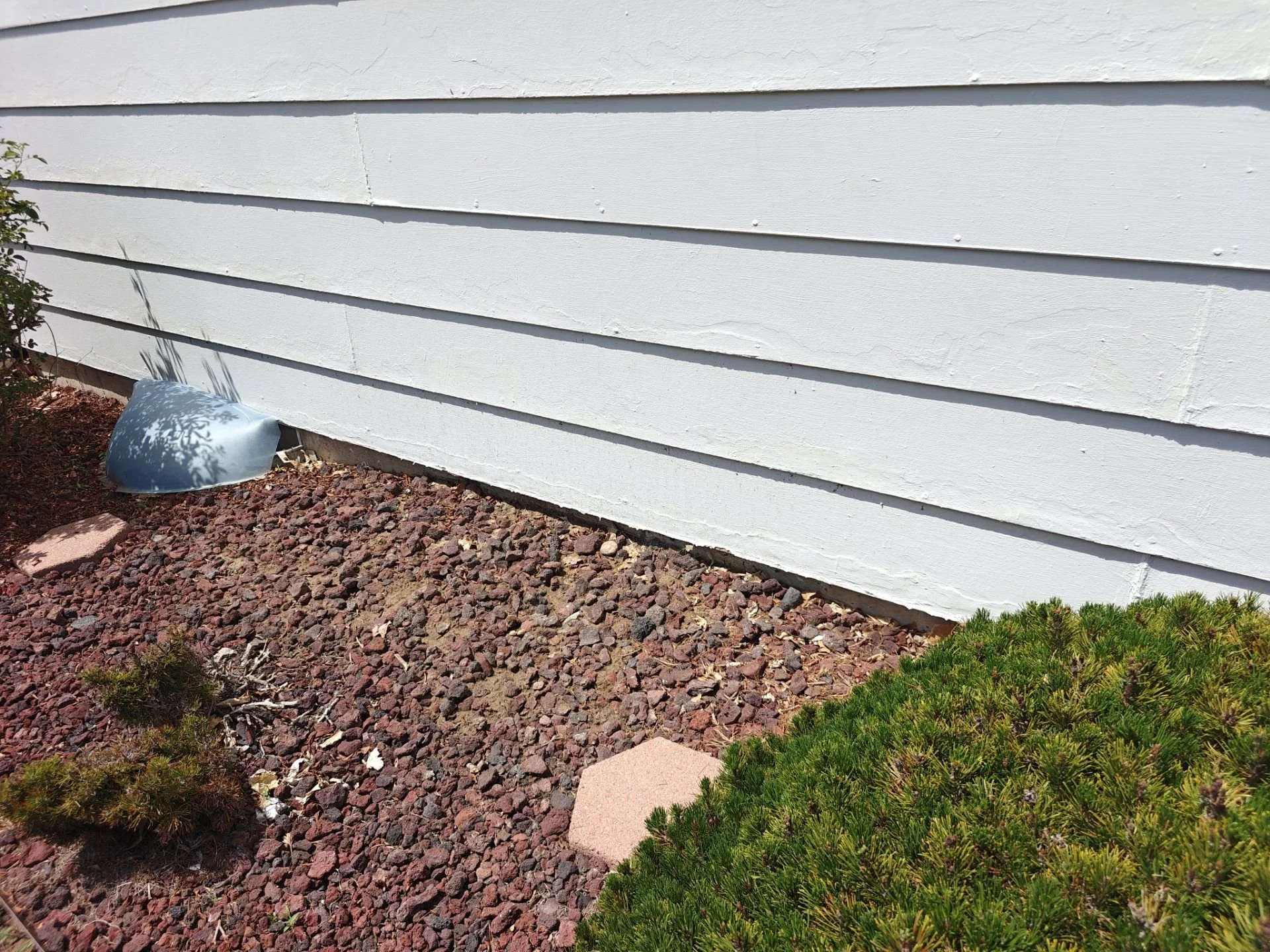
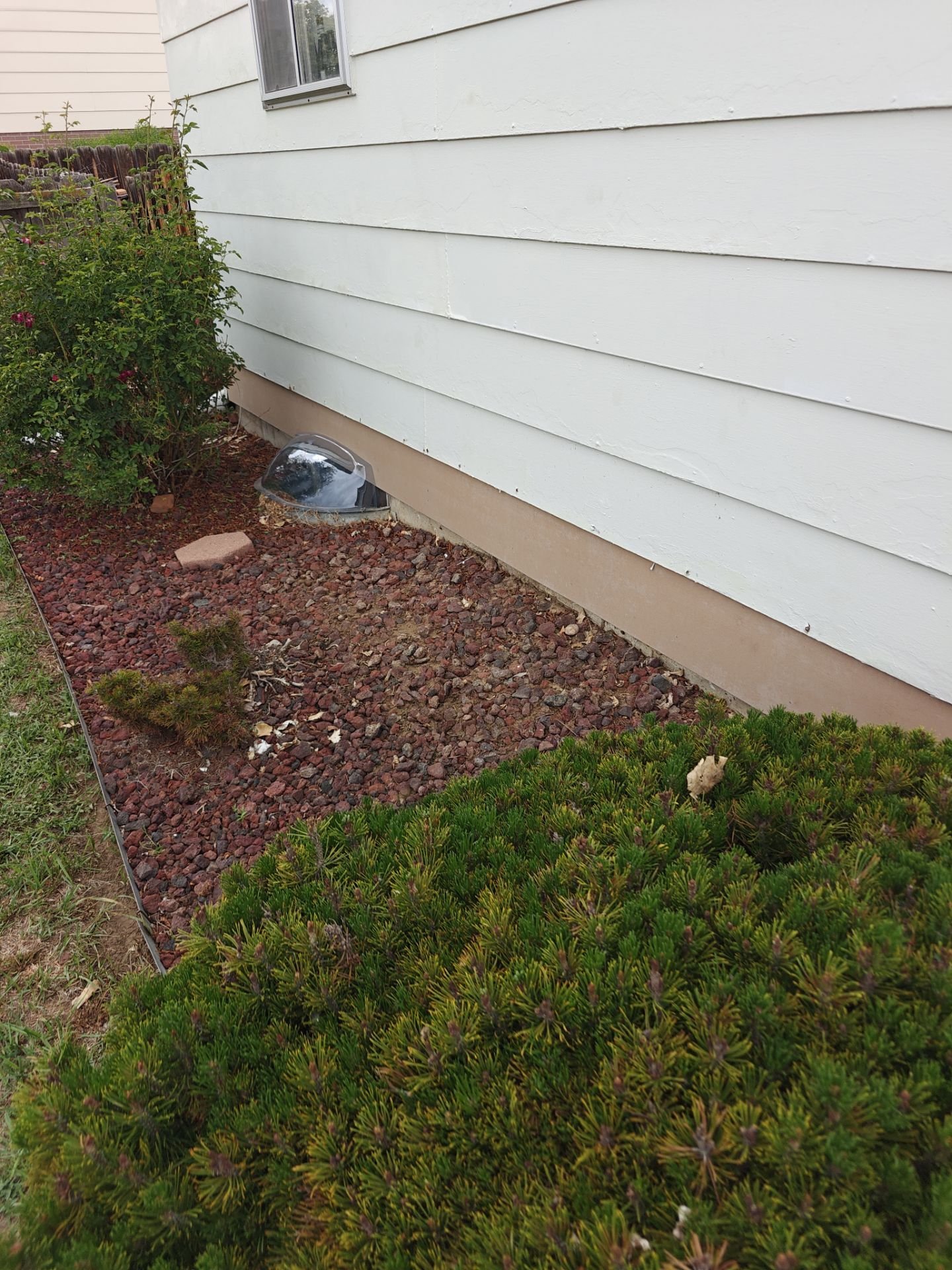
Water damage can often be concentrated along the bottom course of exterior siding where years of moisture exposure gradually deteriorate the material. For this project, the homeowner needed the damaged lower row of siding replaced before moving forward with a complete exterior repaint.
Arvada Handyman carefully removed the deteriorated siding and installed new smooth engineered siding designed to closely match the appearance of the home's existing horizontal wood siding. Matching the profile helped preserve the home's original look while replacing only the damaged sections instead of disturbing the entire exterior.
After installation, the repaired areas were left ready for the homeowner's painting contractor, who would complete a full-house exterior paint project. Completing the siding repair first provides a solid, uniform surface for paint while protecting the home from additional moisture intrusion.
The finished repair restored the integrity of the home's exterior, maintained a consistent appearance, and ensured the siding was properly prepared for the next phase of the renovation.
Materials Used
Smooth engineered siding
Exterior fasteners
Exterior-grade caulking where required
Primer-ready replacement siding
Read more about the different siding types we use here
Project Process
The project began by inspecting the damaged lower course of siding and identifying the sections requiring replacement. The deteriorated siding was removed carefully to avoid disturbing the surrounding materials.
Replacement smooth engineered siding was measured, cut, and installed to align with the existing siding courses. Special attention was given to maintaining consistent reveals and fitting the siding neatly around existing exterior features, including utility penetrations.
After installation, the repaired sections were left ready for final caulking and painting as part of the home's scheduled exterior paint project.
Challenges & Solutions
One of the primary objectives was matching the appearance of older wood siding with modern replacement materials. Smooth engineered siding provided a compatible profile while offering improved durability.
Another consideration was coordinating the repair with the upcoming painting project. Completing the siding replacement first ensured the painters would have a continuous, properly repaired surface to finish, resulting in a more uniform final appearance.
Results
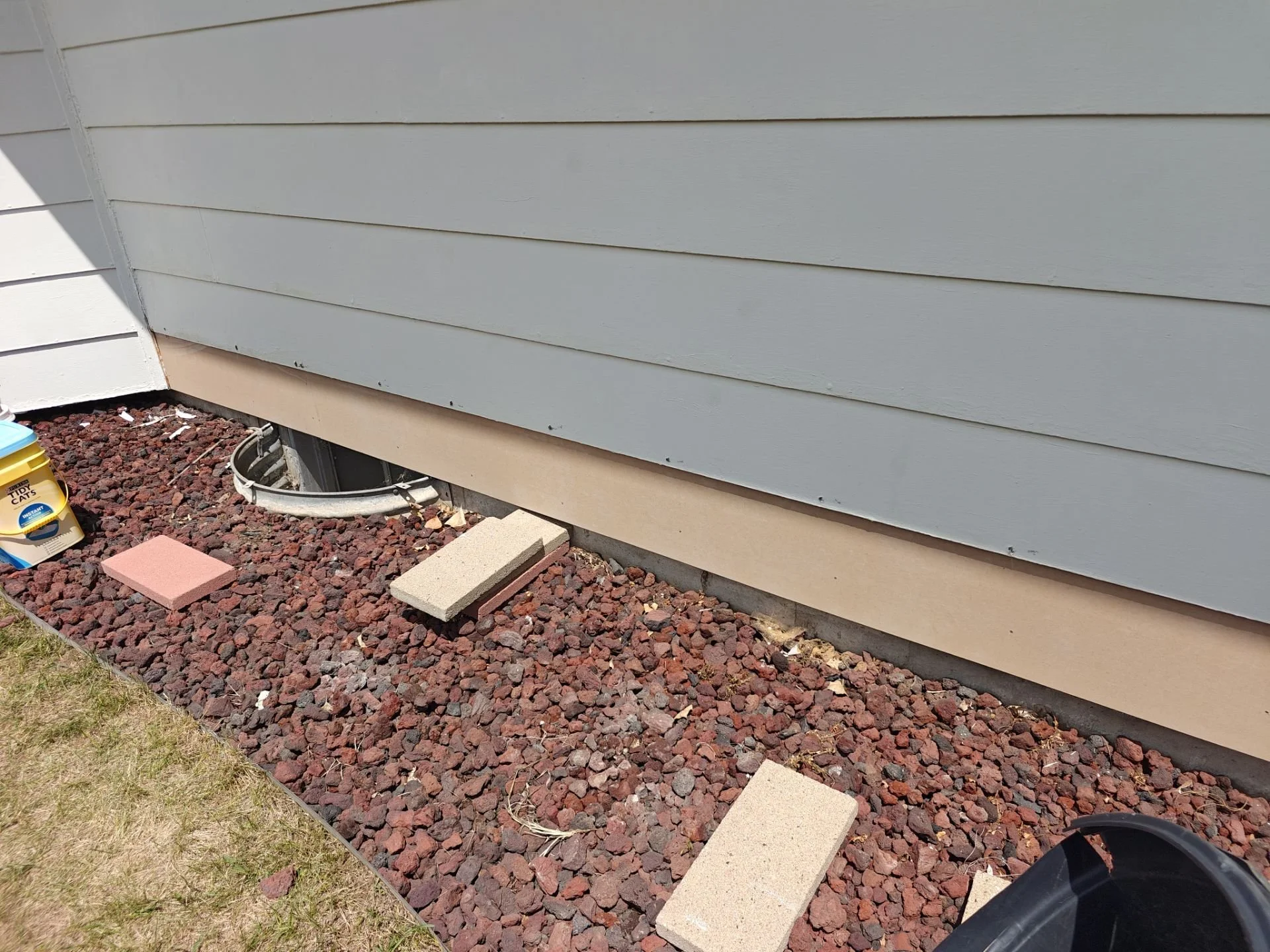
The damaged lower siding was successfully replaced with new smooth engineered siding that closely matches the home's existing exterior. The repair restored the home's weather protection while preserving its overall appearance.
With the structural repair complete, the exterior is now properly prepared for the planned full-house paint project.
Benefits to the Homeowner
Replacing only the damaged siding minimized unnecessary work while restoring the home's protective exterior envelope. The new engineered siding provides a durable replacement that blends with the existing siding profile and creates a smooth, consistent surface for painting.
Completing the repair before painting helps improve the longevity of the finish and ensures the home's exterior looks uniform once the painting project is complete.
FAQs
Why should water-damaged siding be replaced before painting?
Painting over damaged siding will not correct deterioration or restore structural integrity. Replacing damaged materials first creates a stable surface, improves weather resistance, and helps ensure the new paint system performs as intended for years to come.
What is engineered siding?
Engineered siding is a manufactured wood product designed for durability and dimensional stability. It can closely replicate the appearance of traditional wood siding while providing improved resistance to moisture and everyday weather exposure when properly installed and maintained.
Can only one row of siding be replaced?
Yes. If the damage is limited to a specific area, replacing only the affected course can be an effective repair. Matching the existing siding profile helps maintain the home's appearance while avoiding unnecessary replacement of undamaged materials.
Should siding repairs be completed before a full exterior paint project?
Yes. Completing siding repairs before painting allows all repaired surfaces to be properly prepared, caulked, primed, and finished together. This creates a more consistent appearance and helps maximize the lifespan of the new paint.